
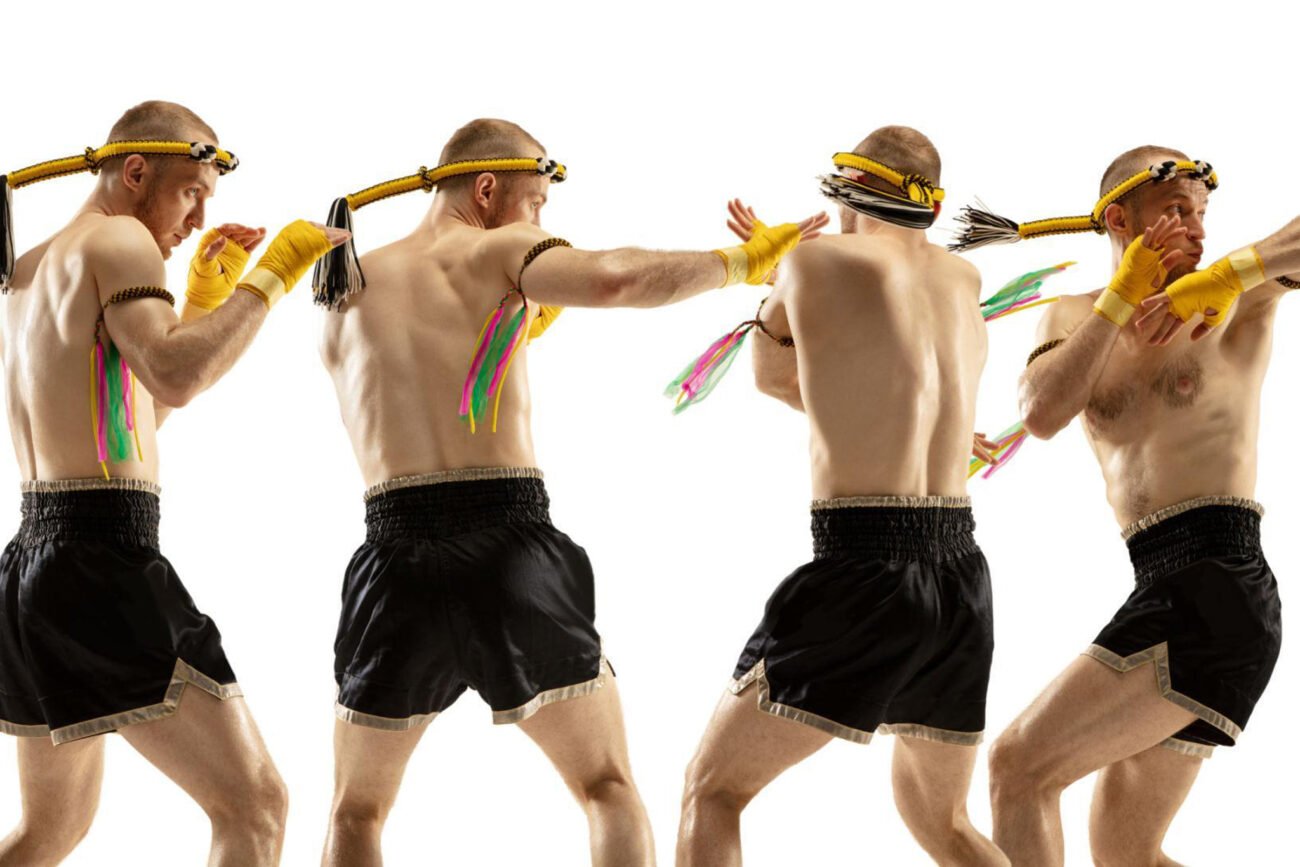
How to Throw the Perfect Jab: The Most Important Punch in Combat Sports
Introduction: The Punch That Controls Every Fight
In combat sports, the most powerful punch is not the knockout punch.
It is the jab.
The jab may appear simple, but it is one of the most effective weapons in fighting. It controls distance, disrupts opponents, creates openings, and sets up powerful combinations.
Many legendary fighters built entire careers around a precise and disciplined jab.
Unlike flashy strikes, the jab is subtle and strategic. It is fast, efficient, and difficult to counter when executed correctly.
For beginners, mastering the jab is the fastest way to improve striking skills. For experienced fighters, refining the jab often becomes the key to controlling the rhythm of a fight.
At KNYT, the jab represents a fundamental truth of combat training. The most powerful techniques are often the simplest.
Understanding the Mechanics of the Jab
The jab is a straight punch thrown from the lead hand.
For an orthodox fighter, this means the left hand extends forward. For a southpaw fighter, the jab comes from the right hand.
Despite its simplicity, the jab involves precise coordination of the entire body.
The punch begins with a slight push from the lead foot. As the arm extends, the shoulder rotates slightly forward while the chin remains tucked behind the shoulder for protection.
The fist travels in a straight line toward the target and snaps back immediately after impact.
This quick extension and retraction is what makes the jab both fast and safe.
The Purpose of the Jab
The jab serves several critical functions in combat sports.
The first is distance control. Fighters use the jab to measure the distance between themselves and their opponent. This allows them to stay within striking range while avoiding unnecessary risk.
The second purpose is disruption. A well-timed jab interrupts an opponent’s rhythm, forcing them to reset their strategy.
The jab also creates openings for combinations. Many powerful strikes such as hooks and crosses are set up by a jab.
Finally, the jab acts as a defensive tool. It keeps opponents at a distance and discourages aggressive advances.
Because of these functions, the jab often determines the tempo of a fight.
Step-by-Step Breakdown of the Perfect Jab
Step One: Start From a Strong Stance
The jab begins with proper stance.
Your feet should remain balanced with your lead foot forward and rear foot slightly behind. The guard must remain high and the chin slightly tucked.
Without a stable stance, the jab loses both speed and accuracy.
Step Two: Push From the Lead Foot
The jab begins with a subtle push from the front foot.
This small movement helps generate forward momentum without compromising balance.
The body should move as a single coordinated unit rather than isolating the arm.
Step Three: Extend the Arm
As the lead foot pushes forward, the lead arm extends toward the target.
The shoulder rises slightly to protect the chin while the elbow stays close to the body during the extension.
The fist rotates slightly at the moment of impact so that the knuckles align with the target.
Step Four: Snap the Punch Back
One of the most important elements of a good jab is the return.
The arm should snap back to guard position immediately after contact.
Leaving the hand extended creates an opening for counterattacks.
The jab should feel like a quick whip rather than a heavy push.
Types of Jabs Used by Fighters
Elite fighters use several variations of the jab depending on the situation.
The standard jab is a quick straight punch used to maintain distance.
The double jab involves throwing two jabs consecutively to break an opponent’s guard.
The step jab adds a forward step to close distance while striking.
The power jab is thrown with slightly more body weight behind it to disrupt the opponent.
Each variation serves a strategic purpose and allows fighters to control the flow of combat.
Defensive Benefits of the Jab
The jab is not only offensive.
It also acts as a defensive shield.
By constantly extending the jab, fighters prevent opponents from easily entering striking range.
The jab also allows fighters to keep their guard active while maintaining awareness of distance.
A disciplined jab forces opponents to remain cautious.
This is why many defensive fighters rely heavily on the jab to neutralize aggressive opponents.
Common Mistakes When Throwing the Jab
Beginners often make several mistakes while learning the jab.
One common error is dropping the rear hand during the punch. This exposes the face to counter strikes.
Another mistake is leaning too far forward. Leaning disrupts balance and makes it difficult to recover quickly.
Some beginners also push the punch rather than snapping it. A proper jab should be fast and sharp rather than slow and heavy.
Correcting these mistakes early helps develop efficient technique.
Training Drills to Improve the Jab
Fighters train the jab through repetition and precision.
Shadowboxing is one of the most effective drills. It allows fighters to practice jab mechanics while visualizing an opponent.
Heavy bag training helps build strength and impact control.
Focus mitt drills allow trainers to simulate realistic fight situations while improving timing and accuracy.
Speed bag training enhances rhythm and hand speed.
These drills gradually develop the muscle memory required for a reliable jab.
The Jab in Professional Fighting Strategy
In professional combat sports, the jab is often the most frequently used punch.
Fighters use it to control space, manage distance, and dictate the pace of the fight.
A well-executed jab forces opponents to constantly react.
This reaction creates opportunities for combinations and strategic attacks.
Many championship fighters have built their fighting style around a precise jab.
The jab is not flashy, but it is extremely effective.
The Philosophy of the Jab
The jab represents discipline.
It requires patience, control, and timing rather than brute strength.
While powerful hooks and uppercuts may capture attention, the jab quietly shapes the outcome of fights.
It is the technique that keeps fighters balanced, strategic, and composed.
In many ways, the jab reflects a deeper principle of martial arts.
Efficiency always defeats excess.
Final Thoughts
The jab is the most important punch in combat sports because it influences every aspect of a fight.
It controls distance, disrupts opponents, sets up combinations, and protects the fighter from incoming attacks.
Mastering the jab takes time, repetition, and careful attention to technique.
But once perfected, it becomes one of the most powerful tools a fighter can possess.
At KNYT, we believe that the fundamentals of combat training are what truly separate skilled fighters from beginners.
And among those fundamentals, the jab stands above the rest as the punch that shapes every fight.
If you’d like, the next article in the KNYT Fight Authority Series will be:
The Science of Knockout Power: How Fighters Generate Explosive Strikes
This article will perform extremely well on search because “how to punch harder” and “knockout power training” have massive global search demand.