We’re building KNYT quietly. Early access will open before public launch. Get Early Access

The Art of the Hook: How Fighters Generate Devastating Knockout Power

Introduction: The Punch That Breaks Guards

In combat sports, every punch has a purpose.

The jab controls distance.
The cross delivers explosive straight-line power.

But there is another punch that has the unique ability to break through defenses, disrupt balance, and produce some of the most dramatic knockouts in fighting history.

That punch is the hook.

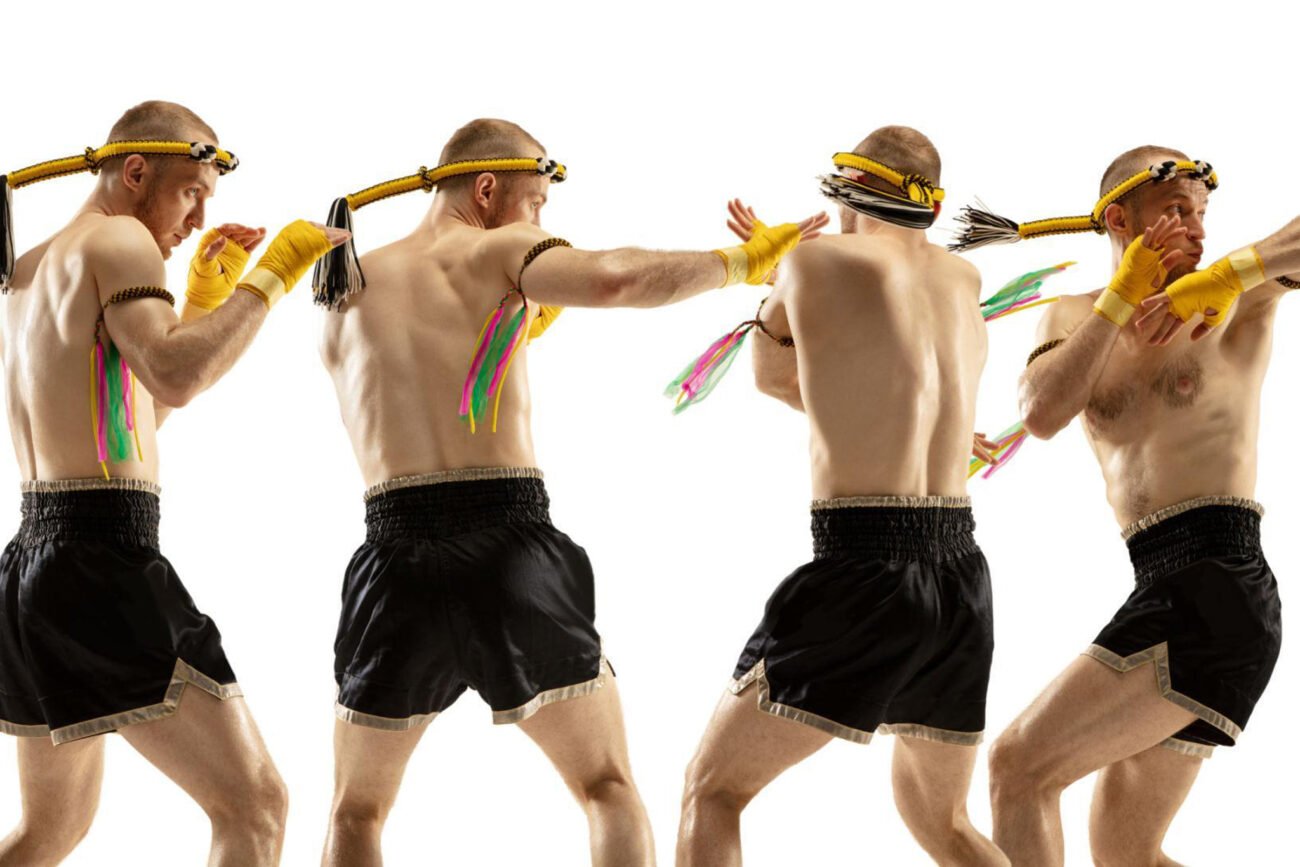
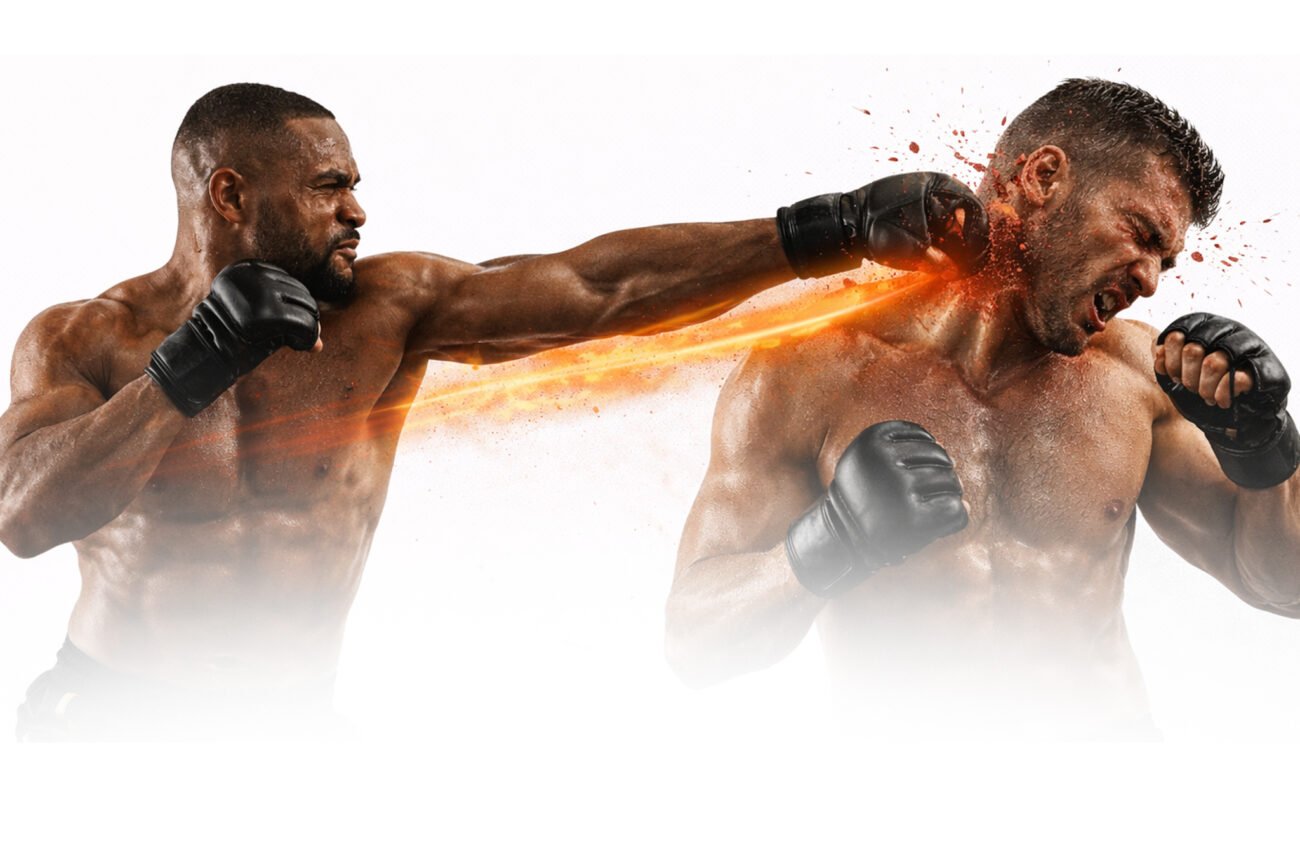
The hook punch is one of the most dangerous weapons in boxing, Muay Thai, and mixed martial arts. Unlike straight punches that travel directly forward, the hook travels in a circular path around the opponent’s guard.

Because of this angle, it often bypasses defensive positions and lands directly on the side of the head or jaw.

A perfectly timed hook can end a fight instantly.

The reason for this lies in the mechanics of the strike. When delivered correctly, the hook uses powerful rotational movement of the hips and torso to generate devastating force.

At KNYT, we see the hook punch as a perfect example of how controlled rotation and balance can transform a simple motion into a fight-ending technique.

Understanding the mechanics of the hook allows fighters to develop greater striking efficiency and knockout potential.

Understanding the Mechanics of the Hook

The hook punch is typically thrown with the lead hand, although fighters can also throw powerful hooks with their rear hand.

For an orthodox fighter, the lead hook comes from the left hand. For a southpaw fighter, the lead hook comes from the right hand.

The punch travels in a curved arc toward the target rather than a straight line.

This curved motion allows the punch to move around the opponent’s guard and strike areas that are difficult to protect.

The elbow remains bent during the movement, forming roughly a ninety-degree angle between the upper arm and forearm.

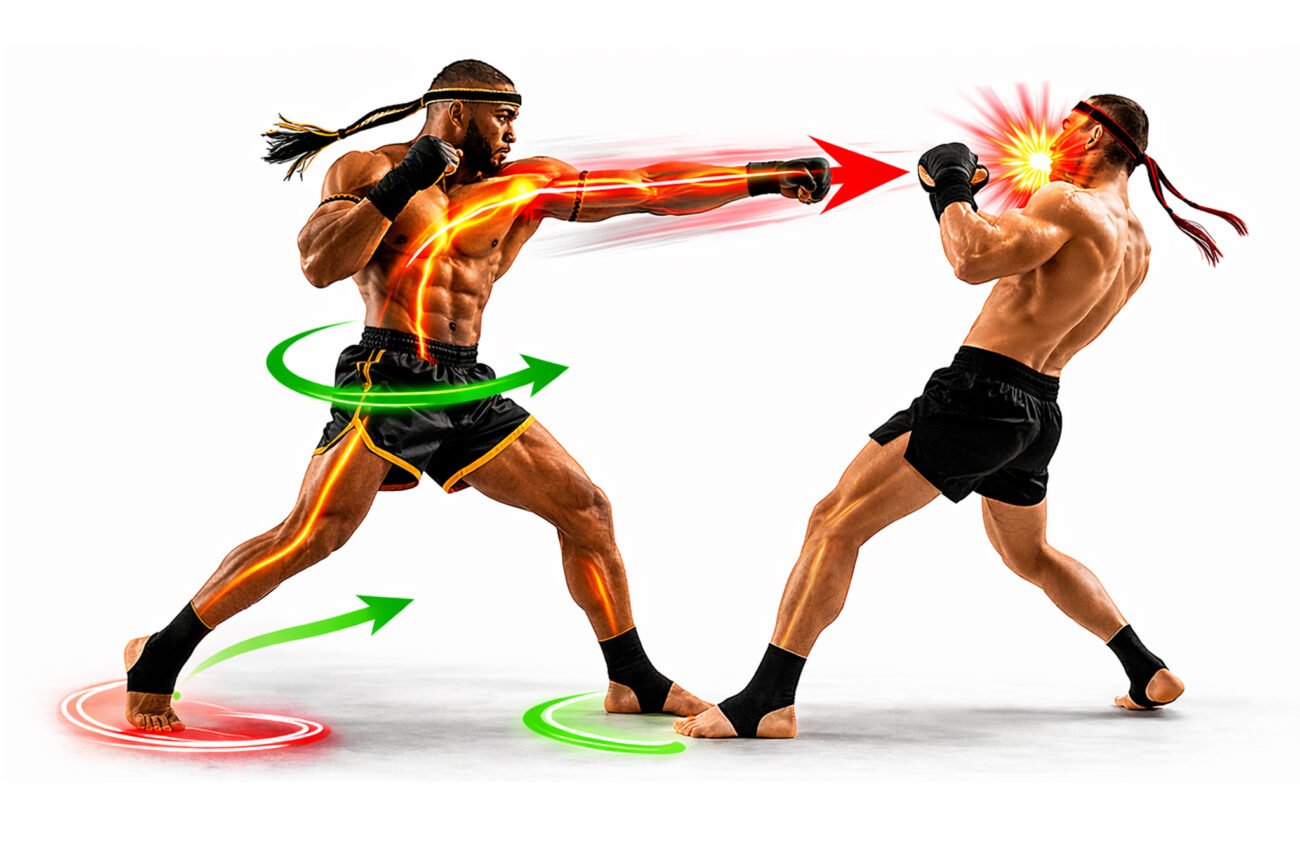
As the punch travels toward the target, the fighter rotates the hips and torso sharply to generate force.

This rotational movement is what produces the explosive power associated with the hook.

The Role of Hip Rotation

Just like with the cross punch, the real power of the hook comes from the lower body.

The movement begins with the feet pushing against the ground. This creates the initial force that drives the rotation of the hips.

As the hips rotate, the torso follows, transferring energy into the shoulders and arms.

The arm itself acts more like a connector than a power source.

When fighters rely only on their arm strength, the hook becomes weak and slow.

When the entire body participates in the rotation, the punch becomes extremely powerful.

This coordinated motion is the key to generating knockout-level force.

Foot Position and Balance

Balance plays a critical role in delivering an effective hook punch.

As the fighter throws the hook, the lead foot often pivots slightly on the ground.

This pivot allows the hips to rotate freely without causing the fighter to lose stability.

The rear foot remains grounded, providing a stable base that supports the rotational movement.

Maintaining balance is essential because an off-balance punch leaves the fighter vulnerable to counterattacks.

Elite fighters can throw powerful hooks while remaining perfectly balanced and ready to continue the exchange.

Target Areas for the Hook Punch

The hook punch is most effective when aimed at specific targets.

One of the most common targets is the jaw.

When a hook lands cleanly on the jaw, it can cause the head to rotate suddenly. This rapid rotation can disrupt the brain’s equilibrium and lead to a knockout.

Another common target is the temple. The temple area is extremely sensitive, making it a dangerous target for powerful strikes.

Body hooks are also widely used in combat sports.

A hook to the liver, located on the right side of the opponent’s body, can cause immediate and intense pain.

Many fighters have been stopped by well-placed liver hooks that temporarily paralyze their ability to move.

The Importance of Timing

The hook punch is most effective when used at the right moment.

Throwing a hook randomly can expose the fighter to counter punches.

Elite fighters often use hooks in response to specific openings.

For example, when an opponent throws a jab, a fighter may slip slightly to the outside and deliver a lead hook.

Another common strategy is to use the hook after a cross punch.

The cross forces the opponent to focus on defending the center line, while the hook attacks from the side.

This combination creates a powerful one-two punch sequence that is extremely difficult to defend against.

Hook Punch Variations

Fighters use several variations of the hook depending on the situation.

The lead hook is the most common variation and is often used to target the head.

The rear hook carries greater power because it involves a larger rotation of the body.

The body hook targets the ribs or liver and is designed to weaken the opponent over time.

The check hook is a defensive variation where the fighter steps slightly away from the opponent while throwing the hook.

This technique is often used when the opponent is advancing aggressively.

Each variation serves a different tactical purpose.

Combining Hooks with Other Strikes

Hooks are rarely thrown in isolation.

They are most effective when integrated into combinations.

One classic combination is jab, cross, hook.

The jab establishes distance, the cross drives forward momentum, and the hook attacks from the side.

Another effective combination is hook to the body followed by hook to the head.

The body hook forces the opponent to lower their guard, creating an opening for the head strike.

In Muay Thai and kickboxing, fighters often follow hooks with elbows or kicks.

These combinations maintain offensive pressure and make it difficult for opponents to predict the next attack.

Training Drills for Developing the Hook

Fighters improve their hook punch through consistent training.

Shadowboxing allows fighters to refine technique and body rotation.

Heavy bag training builds punching power and impact tolerance.

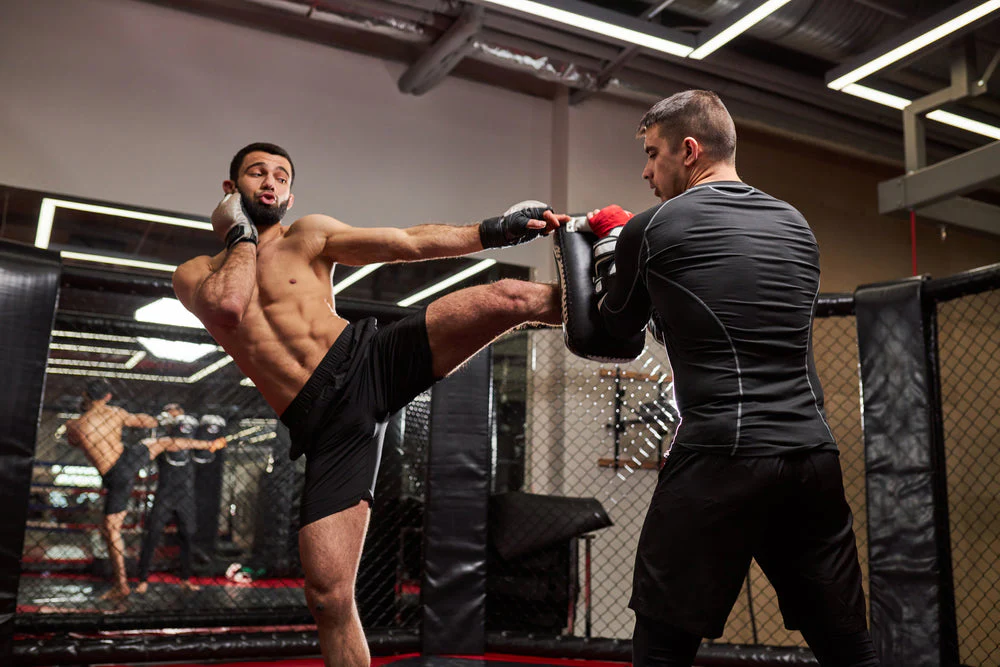
Pad work with trainers improves timing and accuracy.

Strength exercises such as medicine ball rotational throws and core training enhance the muscles responsible for rotational power.

Over time, these training methods develop the coordination necessary for powerful hooks.

Common Mistakes Beginners Make

Many beginners make several mistakes when learning the hook punch.

One common error is swinging the arm too wide.

A wide hook travels slowly and gives the opponent time to react.

Another mistake is dropping the opposite hand during the punch.

This exposes the fighter’s face to counter strikes.

Some fighters also fail to rotate their hips properly, reducing the power of the punch.

Correct technique requires controlled movement, balance, and proper body mechanics.

The Psychological Impact of Powerful Hooks

Powerful hooks can have a significant psychological effect on opponents.

A clean hook that lands early in a fight can force the opponent to become more cautious.

This hesitation creates opportunities for additional strikes.

Fighters who consistently threaten with hooks can disrupt their opponent’s rhythm and defensive confidence.

The fear of being caught by a hook often causes opponents to tighten their guard or retreat.

This psychological pressure can change the entire flow of the fight.

The KNYT Philosophy of Rotational Power

At KNYT, we believe that the most powerful techniques in combat sports come from efficient movement rather than raw aggression.

The hook punch demonstrates how rotational power can be used to create devastating impact.

By training the body to move as a coordinated system, fighters can generate tremendous force without wasting energy.

This principle applies not only to combat sports but to athletic performance as a whole.

Efficient movement allows athletes to perform at higher levels while reducing unnecessary strain.

Final Thoughts

The hook punch remains one of the most effective knockout techniques in combat sports.

Its curved trajectory allows it to bypass defensive guards and land with tremendous force.

When combined with proper footwork, timing, and body rotation, the hook becomes a powerful weapon capable of ending fights instantly.

Mastering the hook requires patience, repetition, and a deep understanding of body mechanics.

But once perfected, it becomes one of the most dangerous tools in a fighter’s arsenal.

At KNYT, we believe that understanding the science behind striking techniques allows athletes to train more intelligently and perform more effectively.

Because true power in combat sports comes not from uncontrolled aggression, but from mastering the mechanics of movement.
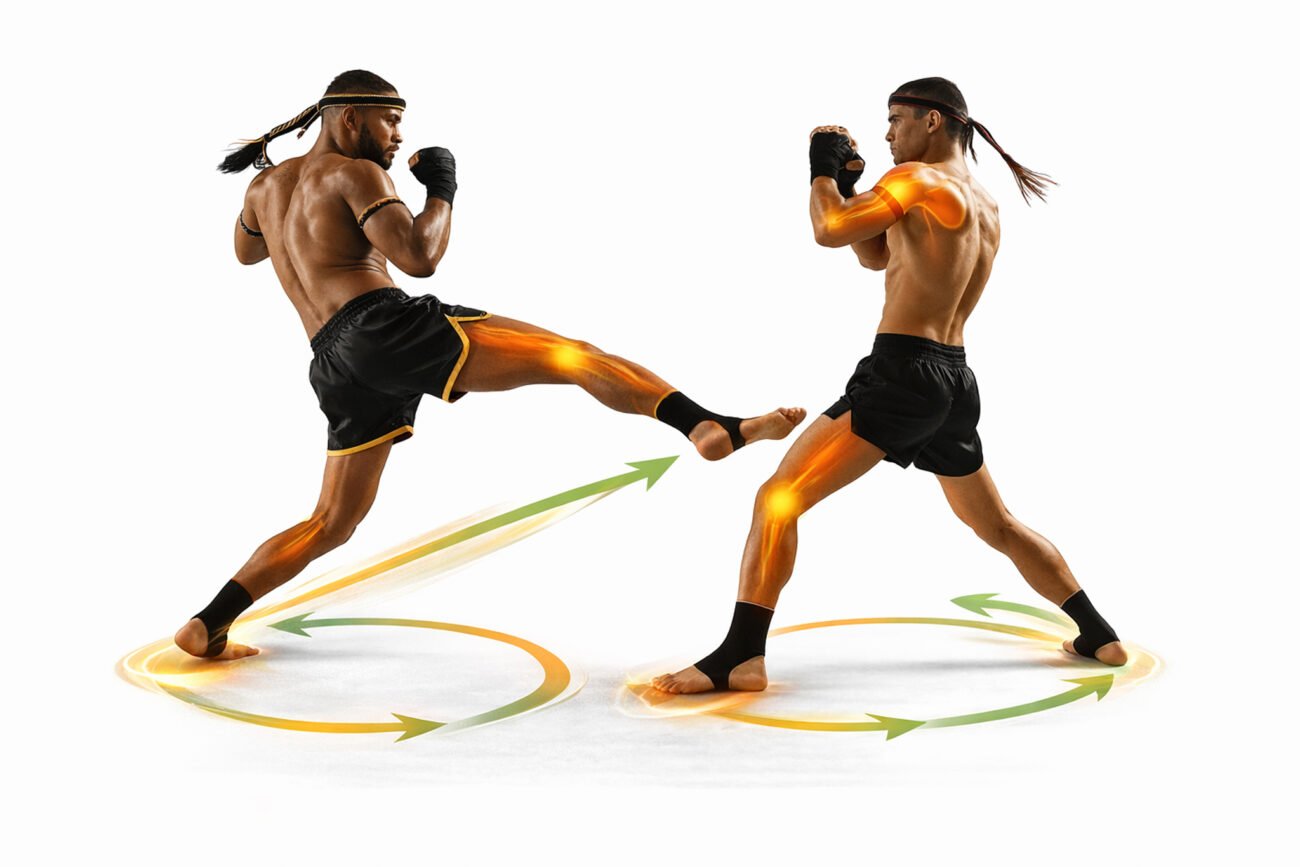
How to Throw a Powerful Cross Punch: The Most Destructive Punch in Combat Sports

Introduction: The Punch That Ends Fights

In the world of combat sports, there are many striking techniques that fighters rely on. Hooks can break through defenses, uppercuts can catch opponents off guard, and kicks can deliver devastating damage. But among all punches used in striking combat, one technique stands above the rest when it comes to raw destructive potential.

That punch is the cross.

The cross punch, often called the rear straight punch, is one of the most powerful weapons in boxing, Muay Thai, kickboxing, and mixed martial arts. It travels directly from the fighter’s rear hand toward the opponent with tremendous speed and force. When executed correctly, it can end fights instantly.

Unlike the jab, which is primarily used to control distance and disrupt rhythm, the cross is designed to deliver maximum power. It uses the entire body to generate explosive force that travels from the ground through the legs, hips, core, shoulders, and finally into the fist.

The effectiveness of the cross punch does not come from arm strength alone. It is the result of precise mechanics, body rotation, timing, and coordination.

At KNYT, we view the cross punch as one of the clearest examples of how proper biomechanics can transform a simple movement into a devastating weapon.

Understanding how to throw the cross correctly is a fundamental step toward developing powerful striking ability.

Understanding the Mechanics of the Cross Punch

The cross punch is thrown from the rear hand. For an orthodox fighter, this means the right hand. For a southpaw fighter, the cross is thrown with the left hand.

The punch travels straight toward the target in a direct line, making it both efficient and difficult to defend against.

What makes the cross so powerful is the way it engages the entire body.

The movement begins with the rear foot pushing against the ground. This push creates the initial force that drives the body forward.

The hips then rotate explosively toward the opponent. This rotation transfers energy through the core muscles and into the upper body.

As the torso rotates, the shoulder drives forward while the arm extends toward the target.

The fist rotates slightly at the moment of impact, allowing the knuckles to connect cleanly.

This chain of movement allows the punch to generate maximum force.

The Role of the Kinetic Chain

In striking mechanics, the concept of the kinetic chain is extremely important.

The kinetic chain refers to the sequence of body movements that generate and transfer power during a strike.

In the cross punch, the kinetic chain begins with the feet pushing against the ground.

The legs then drive the hips forward while the core muscles stabilize the torso.

The shoulders and arms finally deliver the punch to the target.

If any part of this chain is weak or poorly timed, the punch loses significant power.

This is why fighters train their entire body rather than focusing only on arm strength.

When the kinetic chain works efficiently, even a relatively small fighter can deliver tremendous force.

Foot Position and Balance

Proper foot positioning is essential for throwing a powerful cross.

The rear foot plays a crucial role in generating power.

As the punch begins, the fighter pivots slightly on the rear foot while rotating the hips toward the opponent.

This pivot allows the body to rotate freely without losing balance.

The front foot remains stable, acting as an anchor that supports the body during the strike.

Maintaining balance is critical because an unbalanced punch leaves the fighter vulnerable to counterattacks.

Elite fighters can deliver powerful crosses while remaining perfectly balanced and ready to defend.

Hip Rotation and Power Generation

One of the biggest contributors to punching power is hip rotation.

When the hips rotate quickly and forcefully, they generate enormous momentum.

This rotational force travels upward through the torso and into the shoulders and arms.

The faster and more controlled the hip rotation, the more power the punch delivers.

Many beginners attempt to punch using only their arms. This approach produces weak strikes and wastes energy.

Experienced fighters understand that the hips are the true engine behind powerful punches.

By training hip rotation and core stability, fighters can dramatically increase their striking power.

Shoulder Alignment and Protection

During the cross punch, the rear shoulder moves forward as the arm extends.

At the same time, the lead shoulder rises slightly to protect the chin.

This shoulder positioning provides natural defensive coverage while attacking.

Keeping the chin tucked behind the lead shoulder reduces the risk of counter punches.

Proper shoulder alignment also helps maintain balance and stability throughout the movement.

These small details may appear subtle, but they are essential for effective striking technique.

Accuracy and Target Selection

Power alone does not guarantee success in combat sports.

Accuracy plays an equally important role.

The cross punch is often aimed at vulnerable areas such as the chin, jaw, or temple.

These areas are particularly sensitive because strikes there can disrupt the brain’s equilibrium.

A clean cross punch to the chin can cause immediate knockouts.

Body shots are also effective targets. A well placed cross to the solar plexus or liver can severely weaken an opponent.

Fighters train extensively to improve accuracy so that their punches land precisely where they are most effective.

Timing the Cross Punch

Timing is one of the most important elements of effective striking.

A powerful cross thrown at the wrong moment may miss entirely.

Elite fighters often use the cross punch as a counterattack.

For example, when an opponent throws a jab, the fighter may slip slightly to the side and immediately deliver a cross down the center.

Because the opponent is already moving forward, the impact becomes even stronger.

This principle is known as counter striking, and it can produce some of the most dramatic knockouts in combat sports.

Combinations That Use the Cross

The cross punch is rarely used alone.

It is most effective when combined with other strikes.

One of the most famous combinations in boxing is the jab-cross combination.

The jab disrupts the opponent’s guard and creates an opening for the cross.

Another common combination is jab-cross-hook, where the cross sets up a powerful hook.

In Muay Thai and kickboxing, fighters often follow the cross with a roundhouse kick or knee strike.

These combinations allow fighters to maintain pressure and create continuous offensive momentum.

Training Drills to Improve the Cross Punch

Fighters develop their cross punch through consistent training and repetition.

Shadowboxing allows fighters to practice technique and body mechanics without resistance.

Heavy bag training helps build power and endurance while refining striking accuracy.

Pad work with trainers improves timing and reaction speed.

Strength and conditioning exercises such as medicine ball throws and rotational core workouts enhance the muscles involved in punching power.

Over time, these training methods create muscle memory that allows fighters to deliver powerful punches instinctively.

Common Mistakes Beginners Make

Many beginners struggle with cross punch technique because they focus too much on arm movement.

Punching only with the arm produces weak strikes.

Another common mistake is leaning too far forward during the punch.

Leaning disrupts balance and makes it difficult to recover quickly.

Some fighters also drop their lead hand while throwing the cross, leaving their face exposed.

Correcting these mistakes requires careful attention to technique and consistent practice.

The Psychology of Power Punching

Throwing powerful punches requires confidence and composure.

Hesitation can reduce the effectiveness of a strike.

Fighters train mentally to remain calm and focused under pressure.

Visualization techniques are often used to mentally rehearse perfect strikes before stepping into the ring.

This mental preparation allows fighters to execute techniques with precision and confidence.

The psychological aspect of striking is just as important as the physical mechanics.

The KNYT Philosophy of Efficient Power

At KNYT, we believe that true power comes from efficiency rather than brute strength.

The cross punch demonstrates how the human body can generate incredible force when movement is coordinated properly.

By combining balance, rotation, timing, and accuracy, fighters transform a simple straight punch into one of the most dangerous techniques in combat sports.

This principle applies to all aspects of athletic performance.

Efficiency of movement allows the body to perform at its highest potential.

Final Thoughts

The cross punch is one of the most powerful and effective strikes in combat sports.

Its strength comes from the coordinated movement of the entire body, from the feet pushing against the ground to the fist connecting with the target.

Mastering the cross punch requires patience, repetition, and careful attention to technique.

But once perfected, it becomes a devastating weapon capable of changing the outcome of a fight in a single moment.

At KNYT, we believe that understanding the mechanics behind powerful techniques helps athletes train smarter and perform better.

Because in the end, true strength is not just about force.

It is about mastering the movement that creates it.

Footwork Secrets Used by Elite Fighters: The Hidden Skill That Wins Fights

Footwork Secrets Used by Elite Fighters: The Hidden Skill That Wins Fights

Introduction: The Skill Most Beginners Ignore

When people watch combat sports, their attention usually goes to the spectacular moments.

The knockout punch.
The devastating kick.
The explosive combination.

But the truth is that most fights are not won by a single strike.

They are won by movement.

Elite fighters understand something that beginners often overlook. The real battle begins before a punch is thrown. It begins with positioning, angles, distance control, and balance.

All of these things are controlled by footwork.

Footwork is the invisible skill that separates amateur fighters from elite athletes. It determines who controls distance, who creates angles, and who dictates the rhythm of the fight.

A fighter with poor footwork may have strength and speed, but they will constantly struggle to land clean strikes.

A fighter with excellent footwork can make opponents miss, create openings, and attack from positions where they cannot be countered.

At KNYT, we consider footwork to be one of the most important foundations in martial arts training.

Because in combat sports, your feet determine where the fight happens.

Why Footwork Is the Foundation of Combat Movement

Every movement in combat sports begins from the ground.

Before a punch travels forward or a kick swings through the air, the fighter must first position their body correctly.

Footwork controls three critical elements of a fight.

The first is distance management. Fighters must constantly adjust how close or far they are from their opponent.

The second is balance. A fighter must remain stable while attacking, defending, and moving.

The third is angle creation. Proper footwork allows fighters to attack from unexpected directions.

Without these elements, striking becomes inefficient and predictable.

This is why professional fighters spend enormous amounts of time training movement patterns.

The Principle of Balance and Stability

One of the most important aspects of footwork is maintaining balance.

Every movement must allow the fighter to remain ready to strike or defend at any moment.

When a fighter loses balance, they lose control of the exchange.

For example, if a fighter steps too far forward while punching, they may become vulnerable to counters.

If they cross their feet while moving, their balance becomes unstable.

Elite fighters maintain a stance that allows them to move quickly without sacrificing stability.

Their weight is distributed evenly, allowing them to change direction instantly.

Balance allows a fighter to transition smoothly between offense and defense.

The Basic Fighting Step

The most fundamental footwork pattern in combat sports is the basic step.

Instead of reaching forward with long strides, fighters move by sliding their feet across the ground.

When moving forward, the front foot steps first while the rear foot follows.

When moving backward, the rear foot moves first while the front foot follows.

This technique keeps the stance structure intact.

The distance between the feet remains consistent, ensuring the fighter remains balanced and ready to strike.

This simple movement pattern forms the basis of almost all ring movement.

Lateral Movement: Controlling Angles

One of the most effective ways to outmaneuver an opponent is through lateral movement.

Instead of moving straight forward or backward, elite fighters often move sideways.

This movement creates angles that make it difficult for opponents to predict attacks.

By stepping slightly to the left or right, fighters can position themselves outside the opponent’s direct line of attack.

This forces opponents to constantly adjust their stance and movement.

Lateral movement also allows fighters to escape dangerous exchanges without retreating too far.

The ability to control angles gives fighters a major strategic advantage.

Pivoting: The Secret to Escaping Pressure

Pivoting is another essential footwork skill.

A pivot involves rotating the body around the lead foot while changing direction.

This movement allows fighters to move out of the opponent’s attack line while maintaining their stance.

Pivoting is especially useful when an opponent is advancing aggressively.

Instead of moving straight backward, the fighter pivots and shifts to a new angle.

This creates opportunities for counterattacks.

Many elite fighters use pivots to maintain control even when under heavy pressure.

Ring Awareness and Spatial Control

Footwork is not only about moving the feet.

It is also about understanding space.

Elite fighters constantly analyze their position within the ring or training area.

They are aware of where their opponent stands and where the boundaries are.

This awareness allows them to avoid getting trapped against the ropes or corner.

Fighters with strong spatial awareness guide the fight toward positions where they have the advantage.

They may push opponents toward the edges while maintaining open space for themselves.

This strategic movement often determines the outcome of a fight.

The Role of Agility and Speed

Footwork also requires agility.

Fighters must be able to change direction quickly while maintaining balance.

Agility allows fighters to react instantly to their opponent’s movements.

For example, when an opponent throws a punch, a quick step backward can create enough distance to avoid the strike.

Immediately afterward, the fighter may step forward again to counterattack.

This fluid movement requires strong coordination between the brain and muscles.

Training drills such as agility ladders, cone drills, and shadowboxing help develop this responsiveness.

Defensive Footwork

One of the most powerful uses of footwork is defense.

Instead of blocking every strike, fighters can avoid many attacks simply by moving out of range.

This concept is often called defensive movement.

By stepping slightly backward or sideways, fighters force their opponents to miss.

Missing attacks can cause opponents to lose balance or expose openings.

This creates opportunities for counters.

Defensive footwork reduces damage while conserving energy.

It allows fighters to control the pace of the fight without absorbing unnecessary strikes.

Offensive Footwork

Footwork is not only defensive.

It is also a tool for creating offense.

Fighters often step forward aggressively to close distance before launching combinations.

A quick step forward can surprise opponents and create openings.

Elite fighters also use stepping angles to attack from positions where their opponent’s guard is weaker.

This combination of movement and striking makes attacks much harder to defend.

Offensive footwork transforms strikes into coordinated movements rather than isolated actions.

Training Drills for Better Footwork

Fighters train footwork through several specialized drills.

Shadowboxing is one of the most effective methods. By visualizing an opponent, fighters practice movement patterns while maintaining proper stance.

Jump rope training improves rhythm and coordination while strengthening the calves and ankles.

Agility ladder drills develop quick foot placement and directional changes.

Cone drills help fighters practice moving around obstacles while maintaining balance.

These exercises build the muscle memory needed for smooth and efficient movement.

Over time, the fighter begins to move naturally without conscious thought.

The Psychological Impact of Superior Movement

Footwork also influences the psychological dynamics of a fight.

When one fighter consistently controls movement and positioning, the opponent may begin to feel frustrated.

Repeatedly missing strikes or being forced into uncomfortable positions can drain an opponent’s confidence.

Elite fighters use this psychological pressure to their advantage.

By controlling movement, they make the opponent react rather than initiate.

This control often leads to mistakes and openings.

Movement becomes a strategic weapon.

The KNYT Perspective on Movement Mastery

At KNYT, we view footwork as the foundation of all striking arts.

A fighter’s power, speed, and technique become far more effective when supported by proper movement.

Mastering footwork transforms a fighter from someone who simply throws strikes into someone who controls the entire fight.

This principle applies beyond combat sports as well.

Movement is a fundamental expression of physical intelligence.

When the body moves efficiently, every action becomes more powerful and precise.

Final Thoughts

Footwork may not always capture the spotlight, but it is one of the most important skills in martial arts.

It determines distance, balance, positioning, and timing.

Fighters who master footwork gain the ability to control both offense and defense with precision.

They can attack from advantageous angles while avoiding unnecessary damage.

At KNYT, we believe that great fighters are not defined by the strikes they throw.

They are defined by how they move.

Because in combat sports, victory often belongs to the fighter who controls the ground beneath their feet.

Muay Thai Kicks Explained: Mechanics Behind Devastating Power

Introduction: The Most Feared Weapon in Muay Thai

In Muay Thai, punches are fast, elbows are sharp, and knees are brutal. But the weapon that truly defines the art is the kick.

Muay Thai kicks are among the most powerful strikes in combat sports. Unlike many martial arts where kicks rely mostly on speed, Muay Thai kicks combine body rotation, balance, and full-body momentum to generate devastating impact.

A properly executed Muay Thai kick does not feel like a simple strike. It feels like being hit with a baseball bat.

This power is not accidental. It comes from precise mechanics that fighters spend years mastering.

Understanding how Muay Thai kicks work reveals why they are so effective and why fighters dedicate countless hours to refining them.

At KNYT, we look at kicks not just as techniques, but as examples of perfect body coordination and explosive movement.

The Role of the Legs in Muay Thai

The legs are the strongest weapons on the human body.

They contain the largest muscle groups, including the quadriceps, hamstrings, and glutes. When these muscles work together with proper hip rotation, they can generate enormous force.

Muay Thai fighters use their legs to attack multiple targets including the opponent’s legs, ribs, arms, and head.

These kicks serve both offensive and strategic purposes. A powerful leg kick can weaken an opponent’s movement. A body kick can disrupt breathing and balance. A head kick can end the fight instantly.

Because of this versatility, kicks are one of the most important elements in a fighter’s striking arsenal.

The Muay Thai Roundhouse Kick

The most iconic kick in Muay Thai is the roundhouse kick.

Unlike many traditional martial arts kicks that snap outward with the lower leg, the Muay Thai roundhouse uses the entire leg like a swinging baseball bat.

The movement begins with a pivot of the supporting foot. This pivot allows the hips to rotate fully toward the target.

As the hips rotate, the kicking leg swings outward in a powerful arc. The shin, rather than the foot, usually makes contact with the opponent.

This technique transfers maximum force through the hardest part of the lower leg.

The result is a strike that can cause serious damage even when partially blocked.

Hip Rotation: The Source of Power

The secret behind a powerful Muay Thai kick lies in the hips.

When the hips rotate explosively, they drive the entire leg forward with tremendous momentum.

The rotation begins from the supporting foot pivoting on the ground. This movement unlocks the hips and allows them to rotate freely.

The core muscles then stabilize the body while the kicking leg swings through the target.

Without proper hip rotation, the kick loses most of its power.

With proper rotation, the strike becomes extremely powerful.

Balance and Stability During Kicks

A powerful kick requires strong balance.

When a fighter throws a kick, they temporarily stand on one leg. If their balance is weak, they risk falling or becoming vulnerable to counterattacks.

This is why fighters train balance extensively through shadowboxing, kicking drills, and mobility exercises.

Maintaining a stable base allows fighters to deliver powerful kicks while remaining ready to defend themselves immediately after.

Balance transforms a kick from a risky movement into a controlled weapon.

Target Areas for Muay Thai Kicks

Muay Thai fighters aim their kicks at several strategic targets.

The leg kick targets the opponent’s thigh. Repeated strikes to this area can weaken the opponent’s ability to move.

The body kick targets the ribs and midsection. These strikes can knock the wind out of an opponent and disrupt their rhythm.

The head kick is one of the most dangerous techniques in combat sports. When executed correctly, it can result in immediate knockouts.

Each target requires precise timing and accuracy.

A fighter must understand when to use each type of kick depending on the opponent’s position and movement.

Shin Conditioning: Preparing the Weapon

Unlike many martial arts styles that strike with the foot, Muay Thai primarily uses the shin.

The shin bone is much stronger than the foot and allows fighters to deliver powerful strikes without risking injury.

However, the shin must be conditioned through training.

Fighters gradually strengthen their shins through heavy bag training and controlled sparring.

Over time, the bone becomes denser and more resistant to impact.

This conditioning process transforms the shin into one of the most effective striking tools in martial arts.

Training Drills for Stronger Kicks

Fighters improve their kicking technique through several training methods.

Shadowboxing allows fighters to practice the motion of kicks while maintaining balance and fluid movement.

Heavy bag training builds power and helps fighters develop proper shin contact.

Pad work with trainers improves timing, accuracy, and speed.

Repetition is essential. Fighters often perform hundreds of kicks during a single training session to build muscle memory.

These drills gradually refine both technique and power.

Defensive Awareness After Kicking

A common mistake beginners make is dropping their guard after throwing a kick.

Professional fighters remain defensively aware even while attacking.

After delivering a kick, the fighter quickly returns the leg to the ground and reestablishes their stance.

The hands remain high to protect against counterstrikes.

This discipline ensures that offensive movements do not create defensive vulnerabilities.

A good kick is not just powerful. It is controlled and balanced.

The Strategy Behind Muay Thai Kicking

Kicks are not thrown randomly in Muay Thai.

They are used strategically to control the opponent’s movement.

For example, repeated leg kicks can slow an opponent’s footwork. Once the opponent becomes less mobile, fighters can close distance and attack more aggressively.

Body kicks can force opponents to lower their guard, creating openings for punches or elbows.

This strategic use of kicks makes them one of the most versatile tools in striking combat.

The KNYT Philosophy on Power Striking

At KNYT, we believe that effective striking comes from efficiency rather than brute force.

Muay Thai kicks demonstrate how the entire body can work together to generate power.

When technique, balance, and timing align, even a simple kick becomes extremely dangerous.

This principle applies not only to combat sports but to physical training as a whole.

Efficiency creates power.

Control creates precision.

And discipline creates mastery.

Final Thoughts

Muay Thai kicks represent one of the most powerful striking techniques in martial arts.

Their effectiveness comes from the combination of hip rotation, balance, shin conditioning, and precise timing.

By training these elements consistently, fighters gradually develop kicks that are both powerful and controlled.

At KNYT, we view these techniques as examples of how the human body can achieve extraordinary performance through disciplined training.

Because the true power of a fighter does not come from strength alone.

It comes from mastering the mechanics of movement.
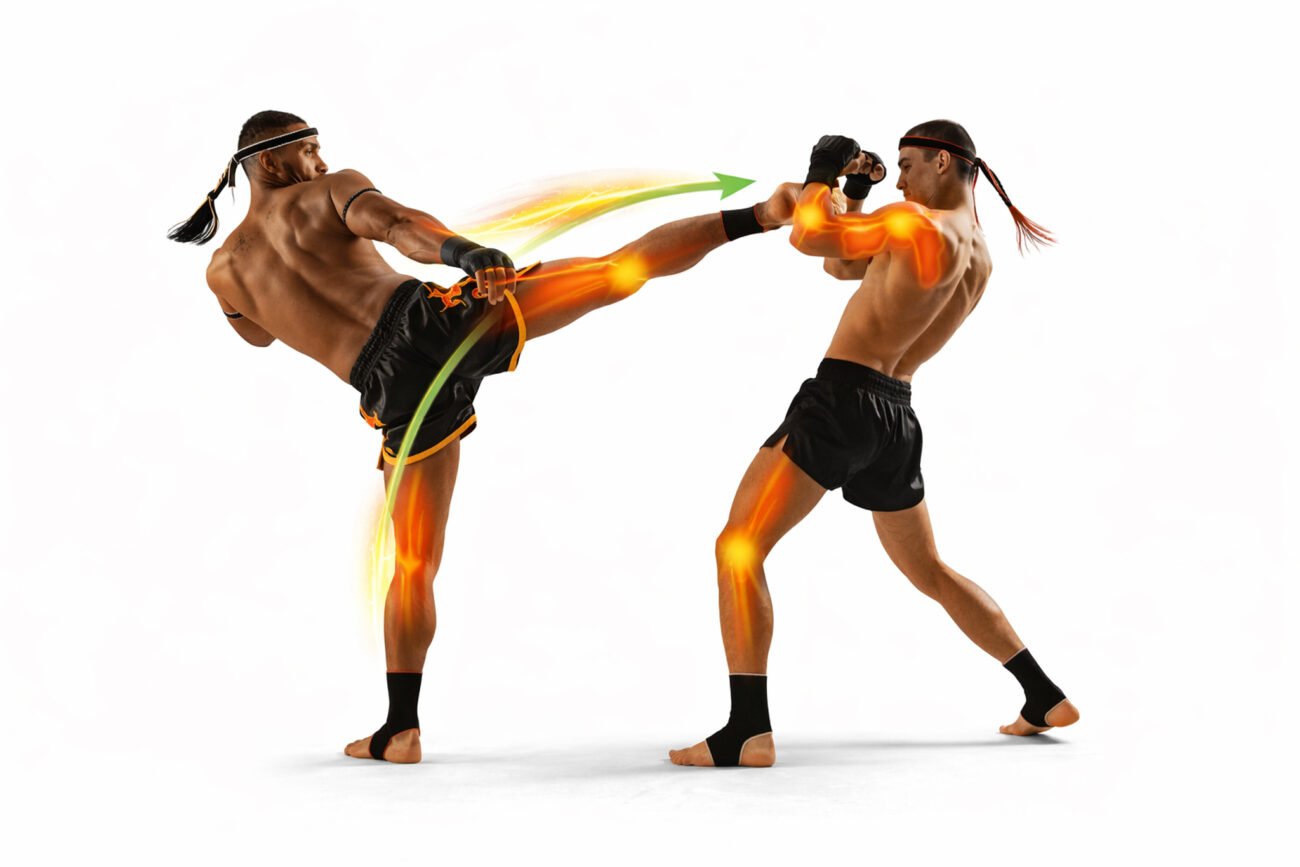
How to Throw the Perfect Jab: The Most Important Punch in Combat Sports

Introduction: The Punch That Controls Every Fight

In combat sports, the most powerful punch is not the knockout punch.

It is the jab.

The jab may appear simple, but it is one of the most effective weapons in fighting. It controls distance, disrupts opponents, creates openings, and sets up powerful combinations.

Many legendary fighters built entire careers around a precise and disciplined jab.

Unlike flashy strikes, the jab is subtle and strategic. It is fast, efficient, and difficult to counter when executed correctly.

For beginners, mastering the jab is the fastest way to improve striking skills. For experienced fighters, refining the jab often becomes the key to controlling the rhythm of a fight.

At KNYT, the jab represents a fundamental truth of combat training. The most powerful techniques are often the simplest.

Understanding the Mechanics of the Jab

The jab is a straight punch thrown from the lead hand.

For an orthodox fighter, this means the left hand extends forward. For a southpaw fighter, the jab comes from the right hand.

Despite its simplicity, the jab involves precise coordination of the entire body.

The punch begins with a slight push from the lead foot. As the arm extends, the shoulder rotates slightly forward while the chin remains tucked behind the shoulder for protection.

The fist travels in a straight line toward the target and snaps back immediately after impact.

This quick extension and retraction is what makes the jab both fast and safe.

The Purpose of the Jab

The jab serves several critical functions in combat sports.

The first is distance control. Fighters use the jab to measure the distance between themselves and their opponent. This allows them to stay within striking range while avoiding unnecessary risk.

The second purpose is disruption. A well-timed jab interrupts an opponent’s rhythm, forcing them to reset their strategy.

The jab also creates openings for combinations. Many powerful strikes such as hooks and crosses are set up by a jab.

Finally, the jab acts as a defensive tool. It keeps opponents at a distance and discourages aggressive advances.

Because of these functions, the jab often determines the tempo of a fight.

Step-by-Step Breakdown of the Perfect Jab

Step One: Start From a Strong Stance

The jab begins with proper stance.

Your feet should remain balanced with your lead foot forward and rear foot slightly behind. The guard must remain high and the chin slightly tucked.

Without a stable stance, the jab loses both speed and accuracy.

Step Two: Push From the Lead Foot

The jab begins with a subtle push from the front foot.

This small movement helps generate forward momentum without compromising balance.

The body should move as a single coordinated unit rather than isolating the arm.

Step Three: Extend the Arm

As the lead foot pushes forward, the lead arm extends toward the target.

The shoulder rises slightly to protect the chin while the elbow stays close to the body during the extension.

The fist rotates slightly at the moment of impact so that the knuckles align with the target.

Step Four: Snap the Punch Back

One of the most important elements of a good jab is the return.

The arm should snap back to guard position immediately after contact.

Leaving the hand extended creates an opening for counterattacks.

The jab should feel like a quick whip rather than a heavy push.

Types of Jabs Used by Fighters

Elite fighters use several variations of the jab depending on the situation.

The standard jab is a quick straight punch used to maintain distance.

The double jab involves throwing two jabs consecutively to break an opponent’s guard.

The step jab adds a forward step to close distance while striking.

The power jab is thrown with slightly more body weight behind it to disrupt the opponent.

Each variation serves a strategic purpose and allows fighters to control the flow of combat.

Defensive Benefits of the Jab

The jab is not only offensive.

It also acts as a defensive shield.

By constantly extending the jab, fighters prevent opponents from easily entering striking range.

The jab also allows fighters to keep their guard active while maintaining awareness of distance.

A disciplined jab forces opponents to remain cautious.

This is why many defensive fighters rely heavily on the jab to neutralize aggressive opponents.

Common Mistakes When Throwing the Jab

Beginners often make several mistakes while learning the jab.

One common error is dropping the rear hand during the punch. This exposes the face to counter strikes.

Another mistake is leaning too far forward. Leaning disrupts balance and makes it difficult to recover quickly.

Some beginners also push the punch rather than snapping it. A proper jab should be fast and sharp rather than slow and heavy.

Correcting these mistakes early helps develop efficient technique.

Training Drills to Improve the Jab

Fighters train the jab through repetition and precision.

Shadowboxing is one of the most effective drills. It allows fighters to practice jab mechanics while visualizing an opponent.

Heavy bag training helps build strength and impact control.

Focus mitt drills allow trainers to simulate realistic fight situations while improving timing and accuracy.

Speed bag training enhances rhythm and hand speed.

These drills gradually develop the muscle memory required for a reliable jab.

The Jab in Professional Fighting Strategy

In professional combat sports, the jab is often the most frequently used punch.

Fighters use it to control space, manage distance, and dictate the pace of the fight.

A well-executed jab forces opponents to constantly react.

This reaction creates opportunities for combinations and strategic attacks.

Many championship fighters have built their fighting style around a precise jab.

The jab is not flashy, but it is extremely effective.

The Philosophy of the Jab

The jab represents discipline.

It requires patience, control, and timing rather than brute strength.

While powerful hooks and uppercuts may capture attention, the jab quietly shapes the outcome of fights.

It is the technique that keeps fighters balanced, strategic, and composed.

In many ways, the jab reflects a deeper principle of martial arts.

Efficiency always defeats excess.

Final Thoughts

The jab is the most important punch in combat sports because it influences every aspect of a fight.

It controls distance, disrupts opponents, sets up combinations, and protects the fighter from incoming attacks.

Mastering the jab takes time, repetition, and careful attention to technique.

But once perfected, it becomes one of the most powerful tools a fighter can possess.

At KNYT, we believe that the fundamentals of combat training are what truly separate skilled fighters from beginners.

And among those fundamentals, the jab stands above the rest as the punch that shapes every fight.

If you’d like, the next article in the KNYT Fight Authority Series will be:

The Science of Knockout Power: How Fighters Generate Explosive Strikes

This article will perform extremely well on search because “how to punch harder” and “knockout power training” have massive global search demand.

Muay Thai Stance Explained: The Foundation of Every Powerful Strike

Introduction: Where Every Fight Truly Begins

Every powerful strike in Muay Thai begins long before the punch or kick is thrown. It begins with the stance.

The stance is the structure that holds everything together. Without a stable stance, power collapses, balance breaks, and defense becomes weak. A fighter may have speed, strength, and determination, but without the correct stance, those attributes cannot translate into effective combat performance.

Muay Thai, widely known as the Art of Eight Limbs, integrates punches, kicks, elbows, and knees into a fluid striking system. Because fighters must transition between these weapons constantly, the stance must allow mobility, balance, and readiness for attack or defense at any moment.

For beginners, mastering the stance is the most important first step. For experienced fighters, refining the stance is a continuous process that determines how efficiently their body moves during combat.

At KNYT, we consider the stance to be the first building block of the warrior’s body. Before learning complex combinations or advanced techniques, every fighter must learn how to stand correctly.

Understanding the Muay Thai Fighting Stance

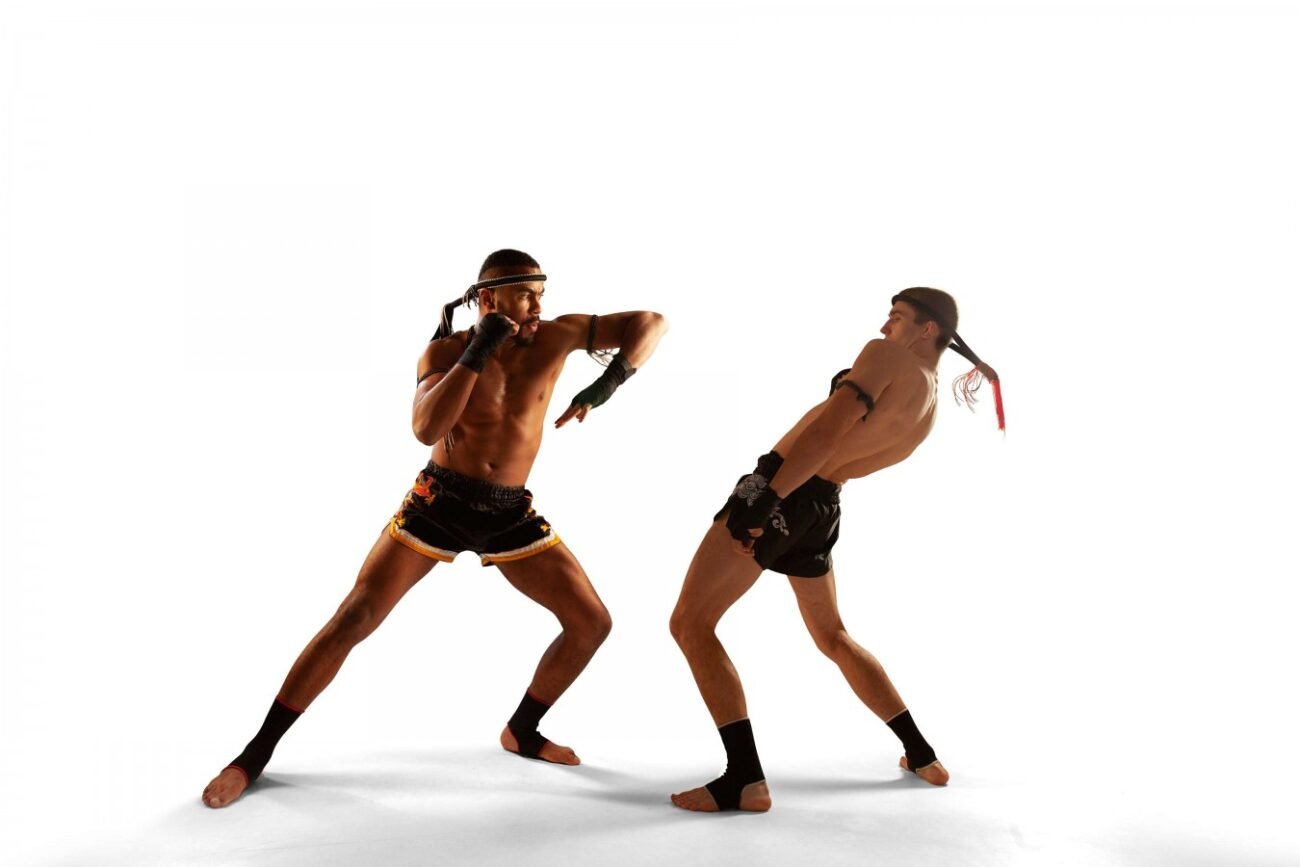
The Muay Thai stance is designed to balance mobility and stability. Unlike some combat sports where the fighter leans heavily forward or sideways, Muay Thai fighters typically maintain a slightly upright posture.

This upright structure allows the fighter to react quickly to incoming strikes while also launching powerful kicks, knees, and elbows.

The stance must achieve three critical objectives. The fighter must remain balanced at all times. The fighter must be able to move smoothly in any direction. The fighter must be able to attack or defend instantly.

These principles form the foundation of Muay Thai movement.

Foot Position: Building the Base

The feet form the base of the entire fighting structure.

For an orthodox fighter, the left foot is placed forward while the right foot stays slightly behind. The distance between the feet should be roughly shoulder width, providing stability without limiting mobility.

The front foot should point slightly inward toward the opponent while the rear foot stays angled outward. This alignment helps maintain balance during strikes and allows the hips to rotate efficiently.

A small but important detail is the rear heel. In Muay Thai, the back heel often remains slightly raised from the ground. This subtle adjustment allows the fighter to pivot quickly when throwing kicks or evading attacks.

If the feet are positioned incorrectly, every movement that follows becomes less efficient.

Weight Distribution and Balance

One of the defining characteristics of the Muay Thai stance is balanced weight distribution.

Many beginners instinctively place most of their weight on the front leg. While this may feel stable at first, it creates vulnerability to low kicks and sweeps.

The ideal distribution is roughly equal between both legs. This balanced stance allows the fighter to launch kicks from either leg and react quickly to incoming strikes.

A well-balanced stance also allows the fighter to check kicks by lifting the leg quickly to block incoming attacks.

Balance is not only about preventing falls. It is about maintaining control over every movement.

Guard Position and Defensive Awareness

The guard protects the most vulnerable targets on the body. In Muay Thai, fighters typically hold their hands high near the temples or eyebrows.

The elbows stay close to the ribs to protect the liver and body from strikes. The chin remains slightly tucked to reduce exposure to knockout punches.

Unlike boxing, where fighters rely heavily on head movement, Muay Thai defense often relies on strong guard positioning and strategic blocking.

A disciplined guard position ensures that even during intense exchanges, the fighter maintains protection.

The guard should return to its original position immediately after every strike.

Hip Alignment and Power Generation

Power in Muay Thai does not originate from the arms or legs alone. It comes from the coordinated rotation of the hips.

The stance positions the hips in a way that allows explosive rotational movement.

When a fighter throws a punch or kick, energy travels through the body in a chain beginning from the feet and traveling through the hips and core.

This chain is often called the kinetic chain.

A properly aligned stance allows the hips to rotate freely, generating significantly more striking power.

If the stance is rigid or misaligned, the fighter loses both power and efficiency.

Orthodox and Southpaw Stances

Most fighters adopt one of two primary stances.

The orthodox stance places the left foot forward and the right foot behind. This stance is common among right-handed fighters because it positions the stronger hand as the rear power punch.

The southpaw stance reverses this structure, placing the right foot forward and the left foot behind.

Left-handed fighters often prefer the southpaw stance because it positions their dominant hand for powerful rear strikes.

Both stances follow the same structural principles. The difference lies only in the orientation of the body.

Understanding both stances is important because fighters often face opponents with different orientations.

Movement Within the Stance

A good stance is not static. It allows constant movement.

Muay Thai fighters glide forward, backward, and sideways while maintaining their stance structure.

The key principle is to move without crossing the feet. Crossing the feet disrupts balance and makes the fighter vulnerable to attacks.

Instead, fighters step lightly while maintaining the same distance between their feet.

This controlled movement allows them to close distance, evade strikes, and create angles for attack.

Movement is the bridge between defense and offense.

Common Beginner Mistakes

Many beginners struggle with stance fundamentals.

One common mistake is standing too upright with locked knees. This makes movement stiff and slow.

Another mistake is leaning too far forward. Leaning forward exposes the head to counters and reduces defensive capability.

Some beginners also drop their hands during combinations. This creates dangerous openings.

The correct stance should feel relaxed yet ready. The body should feel balanced and capable of moving instantly in any direction.

Stance Training Drills

Fighters spend countless hours refining their stance.

Shadowboxing is one of the most effective ways to practice stance mechanics. By visualizing an opponent and moving around imaginary attacks, fighters develop natural movement patterns.

Mirror training is also valuable. Watching oneself in a mirror helps correct posture and guard position.

Balance drills such as standing on one leg or performing slow kicks strengthen the stabilizing muscles necessary for combat.

These drills may appear simple, but they are essential for developing a strong foundation.

The Philosophy Behind the Stance

The Muay Thai stance represents more than just a physical position.

It reflects discipline, control, and readiness.

When a fighter stands correctly, their body is aligned for both offense and defense. Their breathing becomes steady, their focus sharpens, and their movements become deliberate.

In many ways, the stance symbolizes the calm before action.

It is the moment where the fighter becomes completely present.

Final Thoughts

Every powerful strike, every successful defense, and every winning exchange begins with a stance.

Mastering the Muay Thai stance transforms the way a fighter moves. It builds balance, increases striking efficiency, and enhances defensive awareness.

For beginners, the stance is the first lesson.

For experienced fighters, it remains a constant area of refinement.

At KNYT, we believe that great fighters are not defined by how hard they strike, but by how well they control their body in every moment.

And that control always begins with the stance.

The Warrior Blueprint: How Fighters Build Unbreakable Bodies

Introduction: The Body of a Fighter

There is a reason fighters look different from bodybuilders.

Their bodies are not just built for appearance — they are built for performance, endurance, and survival under pressure.

A fighter must be able to:

  • explode with power
  • move with speed
  • absorb impact
  • maintain endurance for multiple rounds
  • stay mentally calm under extreme fatigue

This is why the training of fighters has evolved into one of the most complete physical conditioning systems in the world.

From Muay Thai champions in Thailand to elite MMA fighters competing on global stages, the blueprint remains similar.

They build their bodies through a combination of:

  • explosive power
  • endurance conditioning
  • functional strength
  • mobility and flexibility
  • mental resilience

At KNYT, we call this the Warrior Blueprint — the system that transforms a regular body into a combat-ready machine.

The Five Pillars of a Fighter’s Body

Every elite fighter develops these five physical pillars.

  1. Explosive Power
  2. Functional Strength
  3. Endurance Conditioning
  4. Mobility & Balance
  5. Mental Toughness

Most people train only one or two of these.

Fighters train all five simultaneously.

Pillar 1: Explosive Power

Explosive power is the ability to generate maximum force in minimum time.

In combat sports, this can determine whether a strike becomes a simple hit or a knockout.

Fighters develop explosive power through movements that recruit the entire kinetic chain.

The kinetic chain means energy travels from:

feet → legs → hips → core → shoulders → arms

This coordinated energy transfer produces devastating strikes.

Training Methods Used by Fighters

Plyometric Training

Examples include:

  • jump squats
  • clap push-ups
  • box jumps

These movements train the nervous system to fire muscles faster.

Medicine Ball Throws

Fighters often use rotational throws to simulate striking mechanics.

Heavy Bag Power Rounds

Short bursts of maximum power punching and kicking help develop explosive striking ability.

Explosive power training is typically performed in short, intense intervals to mimic real fight situations.

Pillar 2: Functional Strength

Fighters do not train muscles in isolation.

They train movements.

Unlike bodybuilding, which focuses on aesthetics, fighters prioritize functional strength.

Functional strength means the body can generate force while maintaining balance and control.

Core Fighter Strength Exercises

Pull-ups

Build upper body pulling power for clinch control.

Push-ups

Develop chest, shoulder, and tricep endurance.

Deadlifts

Strengthen the posterior chain for explosive movement.

Squats

Build leg power for kicks, takedowns, and stability.

Farmer’s Walk

Improves grip strength and core stability.

These compound exercises train multiple muscle groups simultaneously.

This builds a body that is strong in real-world movement patterns.

Pillar 3: Endurance Conditioning
A fight can last several rounds.

Each round demands constant movement, strikes, defense, and mental awareness.

Without endurance, even powerful fighters become vulnerable.

Endurance training allows fighters to maintain:

  • speed
  • power
  • reaction time

even under fatigue.

Key Fighter Conditioning Methods

Roadwork (Running)

Traditional fighters run long distances to build cardiovascular endurance.

Interval Training

High intensity bursts followed by short recovery periods.

Example:

30 seconds all-out punching
30 seconds rest

Repeated for several rounds.

Shadowboxing Rounds

Shadowboxing improves endurance while refining technique.

Pad Work

Trainers use striking pads to simulate fight pace while pushing fighters beyond comfort limits.

Conditioning training often replicates fight rounds.

For example:

3 minutes work
1 minute rest

This prepares the body for real combat pacing.

Pillar 4: Mobility and Balance

A fighter must move fluidly in every direction.

Mobility training ensures the body remains flexible enough to perform powerful movements without injury.

Mobility training focuses on:

  • hip flexibility
  • ankle stability
  • spinal rotation
  • shoulder mobility

These areas are essential for high kicks, defensive movement, and clinch control.

Common Mobility Drills

Dynamic Stretching

Prepares the body before training.

Examples include:

  • leg swings
  • hip rotations
  • arm circles

Yoga-Based Mobility

Many fighters incorporate yoga movements to maintain flexibility.

Balance Training

Single-leg exercises improve stability during kicks.

Balance is critical because most strikes require the fighter to momentarily stand on one leg.

Without proper balance, strikes become weak and predictable.

Pillar 5: Mental Toughness

The most overlooked element of a fighter’s body is not physical.

It is mental.

Fighters must remain calm even when:

  • exhausted
  • under pressure
  • facing a stronger opponent

Mental resilience allows fighters to maintain clarity in chaotic situations.

How Fighters Build Mental Strength

Hard Sparring

Simulates real combat stress.

Cold Conditioning

Some fighters use ice baths to train mental endurance.

Controlled Breathing

Breathing exercises help control heart rate and stress.

Visualization

Elite fighters mentally rehearse victories before stepping into the ring.

Mental training allows fighters to push through moments when the body wants to quit.

The Daily Training Structure of Fighters

A typical fighter training schedule includes multiple sessions.

Morning

Roadwork or cardio conditioning.

Afternoon

Technical training such as:

  • striking drills
  • pad work
  • shadowboxing

Evening

Strength and conditioning training.

Recovery protocols such as stretching, massage, and ice baths follow intense sessions.

This high training volume explains why fighter bodies become so durable.

Nutrition of a Combat Athlete

Fighters must fuel their bodies properly.

Their nutrition typically focuses on:

  • lean proteins
  • complex carbohydrates
  • healthy fats
  • hydration

Protein supports muscle repair.

Carbohydrates provide energy for intense training.

Hydration ensures optimal muscle function and endurance.

Many fighters also monitor their diet carefully before competitions to meet weight class requirements.

Why Fighter Bodies Are So Different

Fighter physiques develop through constant functional movement.

Instead of isolating muscles, they perform movements that require:

  • coordination
  • balance
  • explosive force

This creates bodies that are:

  • lean
  • powerful
  • durable
  • highly conditioned

It is the difference between training for appearance and training for performance.

The KNYT Philosophy

At KNYT, we believe true fitness is not about chasing aesthetics alone.

It is about developing a body that can:

  • move efficiently
  • perform under stress
  • remain resilient over time

The warrior blueprint is not only for fighters.

It can transform anyone seeking a stronger, more capable body.

Because fitness is not just about how you look.

It is about how well your body performs when challenged.

Final Thoughts

The bodies of fighters are not built in comfort.

They are built through:

  • discipline
  • repetition
  • resilience

Every punch thrown, every round completed, and every training session endured strengthens both body and mind.

This is the Warrior Blueprint.

And once you begin training like a fighter, your body evolves into something far more powerful than simple fitness.

It becomes unbreakable.

The Warrior Stance: Mastering The Muay Thai Fighting Position

(KNYT Academy — Fight Science Series)

Introduction

Every powerful fighter in history shares one fundamental secret.

Before the punches…
Before the kicks…
Before the knockouts…

There is the stance.

The stance is the foundation of combat.

Without a proper stance:

  • strikes lose power
  • balance collapses
  • defense breaks down
  • reaction speed drops

In Muay Thai — often called The Art of Eight Limbs — the stance is even more important.

Unlike many martial arts that rely primarily on hands or kicks, Muay Thai integrates:

• punches
• kicks
• elbows
• knees

All flowing from a single balanced position.

The stance determines:

  • your power
  • your speed
  • your stability
  • your defensive capability

In this guide from KNYT, we break down the true Muay Thai stance, how elite fighters use it, and how beginners can master it.

The Philosophy Behind The Muay Thai Stance

Unlike boxing, Muay Thai is not built purely around punching.

It is a complete striking system.

This means the stance must allow:

• explosive kicks
• strong checks
• quick knees
• elbow strikes
• clinch control

A good stance provides three critical advantages.

1 Stability

You must remain balanced even while throwing powerful kicks.

2 Mobility

Fighters must move smoothly around opponents.

3 Defense

The stance naturally protects vital targets.

When done correctly, the stance becomes second nature, allowing the fighter to react instinctively.

Step 1 — Foot Position

Your feet create the base of your entire fighting structure.

For an orthodox fighter:

• left foot forward
• right foot back
• feet shoulder width apart

The back heel should remain slightly raised.

This allows:

• quick kicks
• explosive movement
• faster pivots

Step 2 — Weight Distribution

Proper weight distribution is critical.

The ideal ratio:

50% front leg
50% back leg

This balance allows fighters to:

• kick with either leg
• defend quickly
• move in any direction

If weight is too forward → vulnerable to sweeps.

If weight is too backward → weak punches.

Step 3 — Guard Position

Hands must protect the head.

Key points:

• hands near eyebrows
• elbows tight to ribs
• chin tucked slightly down

This protects:

  • jaw
  • temple
  • liver
  • solar plexus

Step 4 — Hip Alignment

The hips must remain slightly turned.

This allows quick rotation for:

• roundhouse kicks
• knees
• hooks

Hip mobility generates real striking power.

The Most Common Beginner Mistakes

Even experienced gym trainees often perform Muay Thai stance incorrectly.

Here are the most common errors.

Standing Too Square

Beginners often face opponents directly.

This exposes:

• ribs
• liver
• stomach

The body should remain slightly angled.

Too Much Weight On The Front Leg

This makes the fighter vulnerable to:

• low kicks
• sweeps
• push kicks

Balanced weight is essential.

Hands Too Low

Dropping hands is the fastest way to get knocked out.

Your guard must always return to position.

How Fighters Train Their Stance

Professional fighters spend months refining their stance.

Training drills include:

• shadowboxing
• mirror training
• balance drills
• footwork drills

Shadowboxing is especially powerful.

It allows fighters to practice:

  • movement
  • guard
  • balance
  • rhythm

without an opponent.

The Role Of Stance In Knockout Power

Power in striking does not come from arms.

It comes from the ground.

The stance allows fighters to transfer energy from:

feet → legs → hips → shoulders → fists.

This is called the kinetic chain.

If the stance is weak, the chain breaks.

Defensive Power Of The Stance

The stance also acts as a defensive shield.

From the correct stance fighters can easily:

• check kicks
• block punches
• move out of range
• counter attack

Defense and offense are built from the same position.

The Evolution Of Muay Thai Stances

Traditional Muay Thai used a more upright stance.

Modern fighters adapt slightly depending on style.

For example:

Aggressive fighters:

• slightly heavier front leg
• closer distance

Counter fighters:

• lighter stance
• more mobility

But the core principles remain identical.

Why Every Fighter Must Master The Stance

A great stance gives fighters:

• balance
• power
• speed
• defense
• endurance

Without it, even the strongest athlete will struggle.

But once mastered, the stance becomes automatic.

It becomes the fighter’s natural posture.

Final Thoughts

Every journey in martial arts begins the same way.

Not with a punch.

Not with a kick.

But with how you stand.

Master the stance, and everything else becomes easier.

At KNYT, we believe fitness is not just about strength.

It is about discipline, awareness, and mastery of the body.

And every master begins with the fundamentals.

Back to Top

Search For Products

Product has been added to your cart
Compare (0)